Team
The CMD project is shaped by the knowledge and expertise of leading academic institutions across Europe. These universities and research centres bring together specialists in media, language, migration and social justice. Working side by side with CMD’s NGOs and non-academic partners, they carry out research, share insights, train participants and help develop new ways of thinking and talking about migration. Their work gives the project a strong foundation and connects it to wider networks of scholarship and policy.
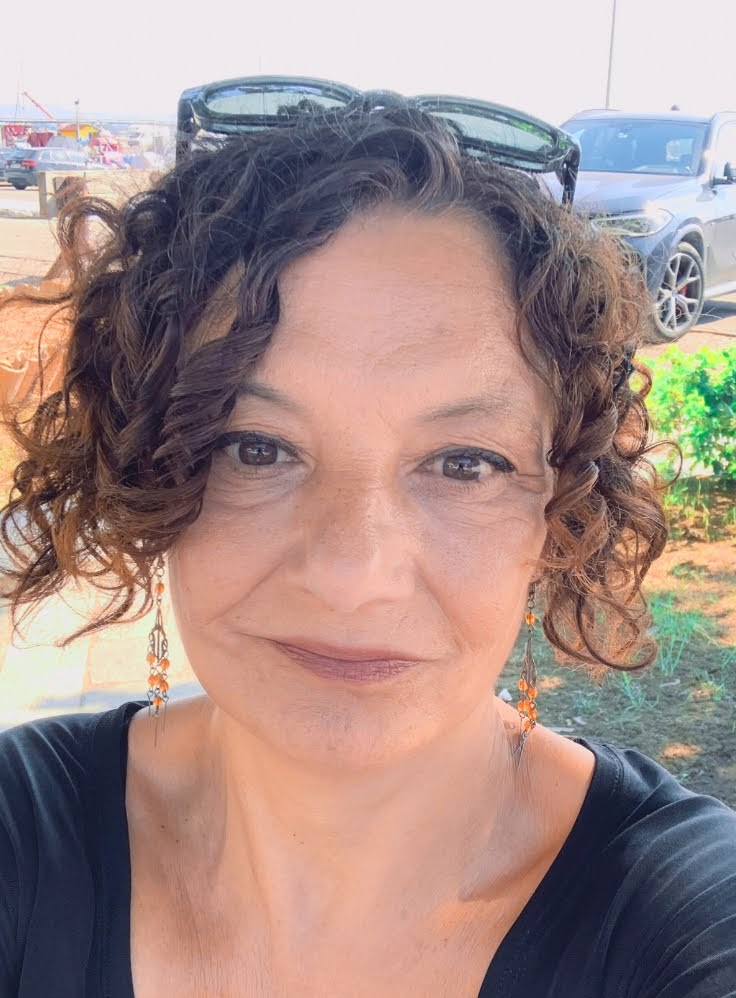
Project Leader
Principal Investigator UK and Italy
Prof. Roza Tsagarousianou is Professor of Media and Migration at the School of Media and Communications, University of Westminster, and serves as the Project Lead for the HERA/CHANSE-funded project ‘The Crisis of Migration Discourse: A Participatory Approach for a New Lexicon of Migration’.
She is also the Co-Lead of the University of Westminster’s Diversity and Inclusion Research Community (DIC). In her role as Research Co-Lead for DIC, Prof. Tsagarousianou develops and shapes research policy in the area of Diversity and Inclusion across the University’s Colleges and Schools. She is a member of the CAMRI and Homelands research centres, as well as the Westminster University Migration Network. She has previously served for several years as Director of the CAMRI Doctoral Programme, a role in which she contributed significantly to its development and expansion.Her research interests centre on population movements, technologies of control at Europe’s borders, and the possibilities of resistance to these mechanisms. Drawing on racial capitalism, decolonial scholarship, and conceptual history, Prof. Tsagarousianou investigates differing understandings of human rights at the borders of the European Union and explores time as a foundational technology in the governance of migration. She is currently working on her forthcoming book, ‘The Time of the Other: Migration, Borders and the Politics of Time’, to be published by Palgrave MacMillan in 2026. The book examines how dominant temporal regimes—rooted in Western capitalist modernity—racialize, discipline and differentiate lives positioned outside the temporal order of ‘modern’ nations. It further seeks to uncover forms of resistance to these technologies of control by illuminating the narratives and practices of those who are marginalised and subjugated, thereby challenging hegemonic temporal narratives and revealing possibilities for more just and inclusive temporalities.
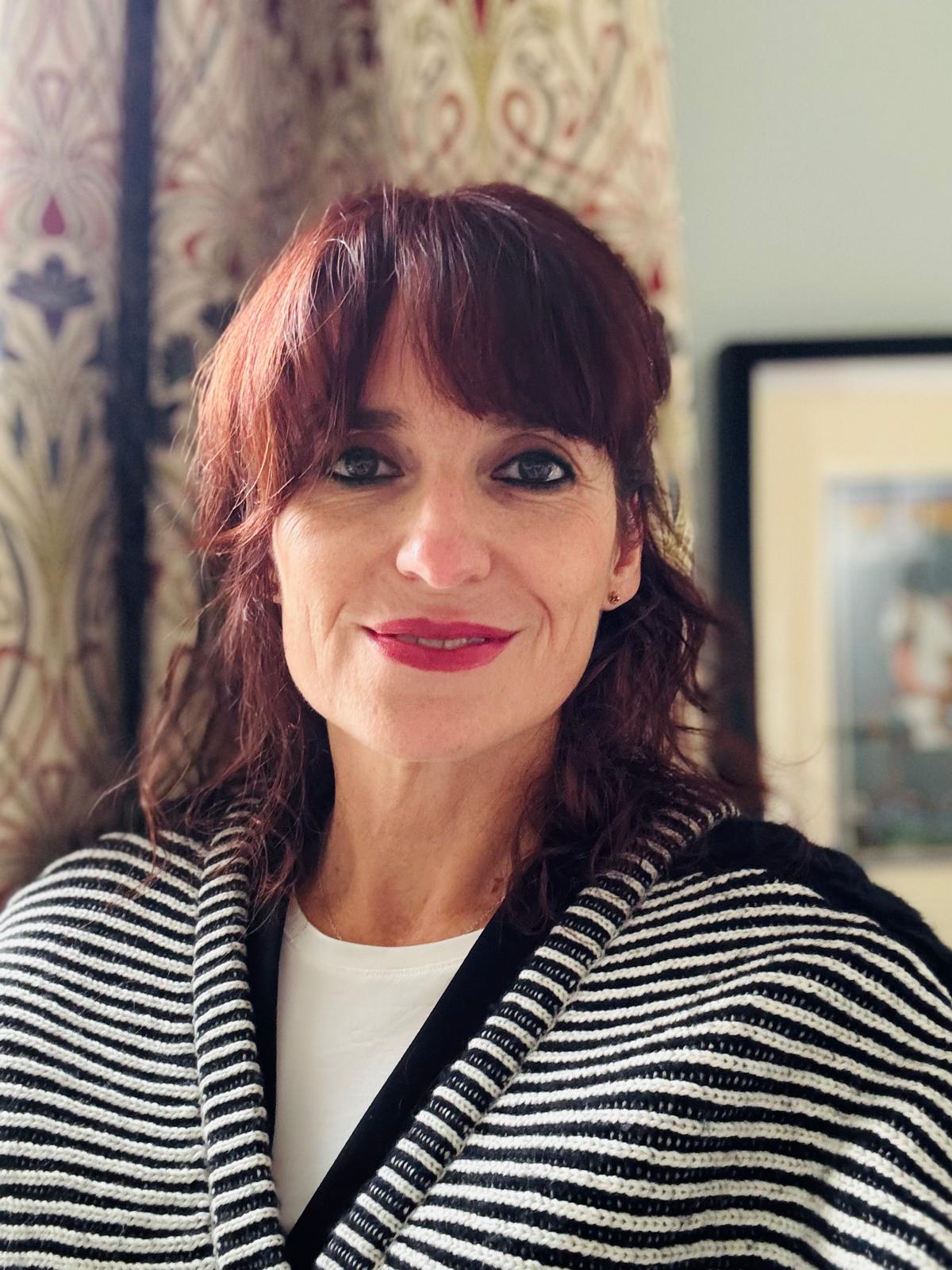
Co-Investigator UK and Italy
Dr Federica Mazzara is a Reader in Cultural Studies in the School of Humanities at the University of Westminster. Her research focuses on migration, crisis communication, visual culture, art, and transnational activism. She is particularly interested in how human movement is represented in mainstream discourse and how counternarratives challenge that.
Federica is the author of several articles and of Reframing Migration: Lampedusa, Border Spectacle and Aesthetics of Subversion (Peter Lang, 2019), which examines how artistic interventions can disrupt media and political representations of migration in the Mediterranean. She is currently developing a new monograph, Mocking the Borders: Art, Humour, and Resistance in a Divided World, which investigates how humour and play operate as tools of critique and re-signification in border-related art.
She leads the British Academy–funded project Migrants in Transit: A Transdisciplinary Writing Programme for Emerging Scholars of Migration in Tunisia (2023–2025), and serves as Co-Investigator on the €1.3 million HERA/CHANSE-funded project CMD: The Crisis of Migration Discourse – A Participatory Approach for a New Lexicon of Migration. From 2019 to 2023, she was Scientific Coordinator of the Erasmus+ project MIGRANT – Master Degree in Migration Studies: Governance, Policies and Cultures in Tunisia. Federica is also involved in art curation. In 2019, she co-curated the exhibition Sink Without Trace at the P21 Gallery in London, which addressed the issue of migrant deaths at sea. She is Review Editor for Crossings: Journal of Migration and Culture (Intellect) and an active contributor to debates on migration, art, and communication.
Co-Investigator UK and Italy
Federico Faloppa is Professor of Language and Discrimination in the Department of Languages and Cultures at the University of Reading (United Kingdom). Over the past twenty-five years, he has focused his research on ethnic stereotypes, the linguistic construction of “otherness”, multilingualism in migration and refugee settings, the representation of migration in public discourse, the linguistic landscape of borders, the relationship between language and power, and hate speech. In this field, he has authored and co-authored numerous articles and reports (such as the Council of Europe’s Study on preventing and combating hate speech in times of crisis, 2023), as well as several monographs, including Parole contro. La rappresentazione del diverso in italiano e nei dialetti (2004); Razzisti a parole (per tacere dei fatti) (2011); #Odio. Manuale di resistenza alla violenza delle parole (2020); Beyond the border. Signs of passages across European border (2021), Sbiancare un etiope. La costruzione di un immaginario razzista (2022); Le morti degli altri (with Marco Aime, 2025). He has also co-edited Destination Italy: Representing Migration in Contemporary Media and Narrative (2015) and Myths and Facts about Multilingualism (2024). He is the co-founder of the National Network for Countering Hate Speech and Hate Phenomena (www.retecontrolodio.org), and collaborates with NGOs and national and international institutions, including the Council of Europe, where he serves as an international expert and consultant on preventing and combating hate speech.
Primary Investigator Denmark
Dr Anne Vestergaard is an Associate Professor of Organisational Communication and Corporate Social Responsibility (CSR) at Copenhagen Business School. Her research focuses on communication for social change, pursued through two main strands: CSR communication and humanitarian communication. She examines how the increasing overlap between commercial and non-commercial sectors affects the identity, image, and social impact of civil society organisations, as well as how moral and economic forces shape discourses within and around corporations. Her broader academic interest lies in understanding how institutional, technological, and semiotic processes influence mainstream moral discourses in contemporary society.
Dr Vestergaard’s primary research areas include CSR communication, humanitarian communication, business and human rights, cross-sector collaboration, and civic engagement. She has co-edited the Routledge Handbook of Humanitarian Communication (2022) and published widely on corporate activism, responsibility, and communication ethics. Her recent work includes contributions to the Academy of Management Annual Meeting Proceedings and Journal of Business Ethics. She is also a co-investigator on the international CHANSE-funded project The Crisis of Migration Discourse: A Participatory Approach for a New Lexicon of Migration. At Copenhagen Business School, she teaches modules such as Societal Actors, Issues and Agendas and Communication Theory and supervises postgraduate research on communication for social change.
Primary Investigator Spain
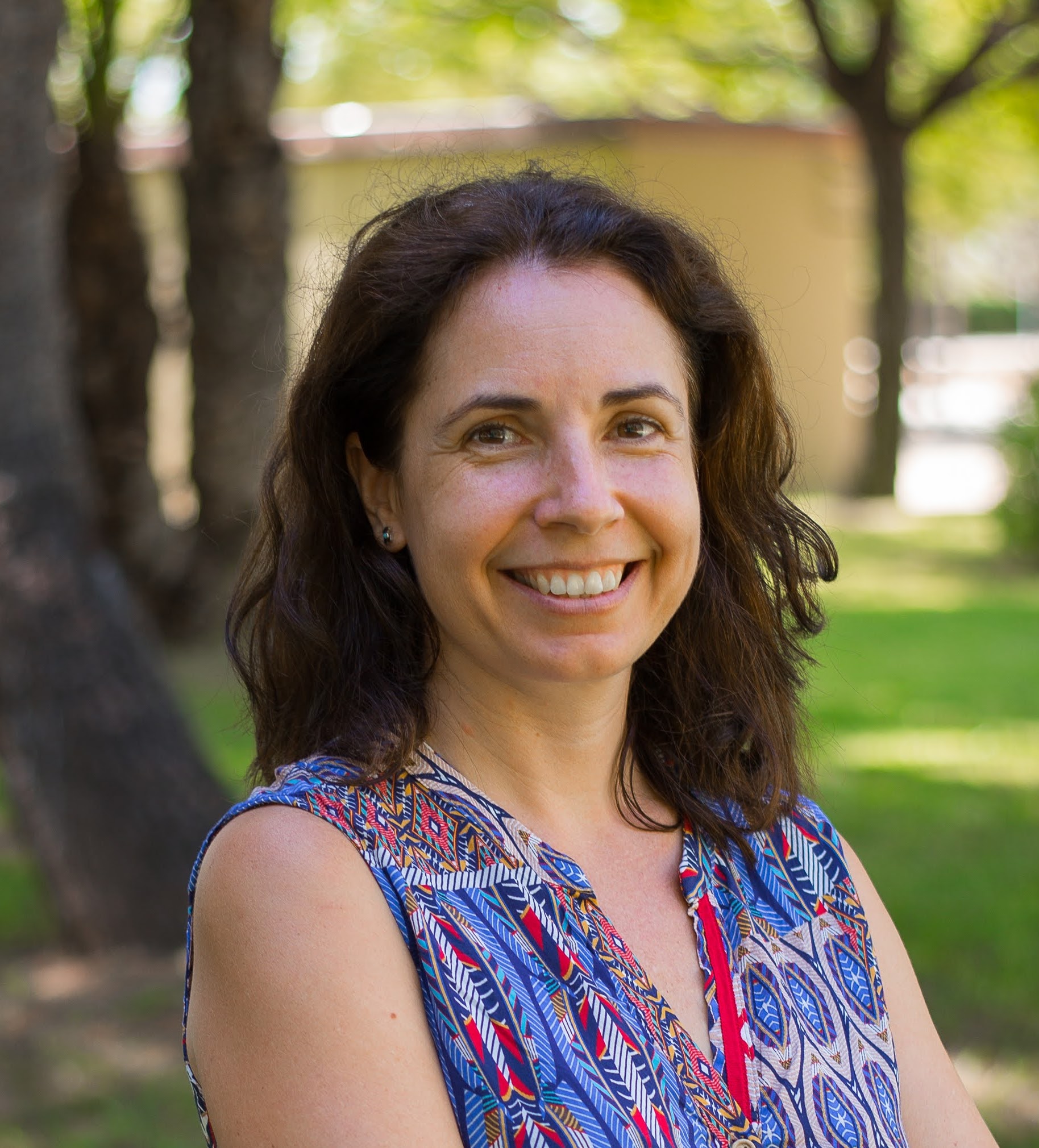
Dr Alicia Ferrández Ferrer is a lecturer and researcher in the Department of Contemporary Humanities at the University of Alicante, specialising in Social Anthropology. She holds degrees in Social and Cultural Anthropology from Miguel Hernández University, and a Master’s in Immigration, Refugeeism and Intercommunity Relations from the Autonomous University of Madrid, where she also earned her PhD in Social Anthropology with a European doctoral certification and a PhD Special Award.
Dr Ferrández Ferrer has conducted research in both Spain and the United Kingdom and actively participates in national and international projects focusing on the study of ethnic and migrant minorities, including the Roma People, and the multiple axes of discrimination that affect them. Her teaching and research focus on cultural diversity, transnational migration, and citizenship, with particular attention to Latin American migrant communities and their use of media to assert social and civic rights. She teaches Social Anthropology across undergraduate and postgraduate levels and has contributed to programmes such as the Master’s in Migration, Conflict and Social Cohesion at the University of Deusto. She is also affiliated with the Social Research on Equity and Diversity research group (EQUIDIVERSIDAD), the Sociological Observatory for Education (OBSOEDU), the University Institute for Research on Migration, Ethnicity and Social Development (IMEDES), and the Valencian Association of Anthropology (AVA).
Primary Investigator France
Dr Hélène Thiollet is a CNRS permanent researcher at the Centre for International Studies (CERI) at Sciences Po Paris. She has previously held postdoctoral positions at the University of Oxford and Université Paris Nord.
Her work focuses on the comparative politics of migration and asylum, with empirical research centred on the Middle East and Sub-Saharan Africa. She also investigates the international politics of migration and the externalisation of migration governance from an international relations perspective. Her recent research critically examines the framing of migration as crisis and how this shapes policies, institutions, and political narratives. Dr Thiollet teaches international relations, comparative politics, and migration studies at Sciences Po and EHESS. Her recent publications include Migration Politics across the World (Routledge, 2024, co-edited with Katharina Natter), Research Handbook on the Institutions of Migration Governance (Edward Elgar, 2023, co-edited with Antoine Pécoud), The Colonial Migration State (Political Geography, 2025, with Fiona Adamson), and Revolving Doors: How Externalization Policies Block Refugees and Deflect Other Migrants across Migration Routes (Population and Development Review, 2024, with Alice Mesnard, Filip Savatic, and Jean-Noël Senne). She also co-edited the special issue Migration as Crisis in American Behavioral Scientist (2023).
Dr Thiollet is actively involved in bridging academic research with media, policymaking, and civil society engagement. She is a founding member of the International Panel on Migration (IPM), a scientific collective aimed at strengthening evidence-based global migration governance and the President of Desinfox Migration, a civil society organisation seeking to fight fake news and enhance the presence of migration scholars in the media. She also serves on the editorial boards of leading academic journals and has coordinated several collaborative research projects in France and Europe.
Research Fellow
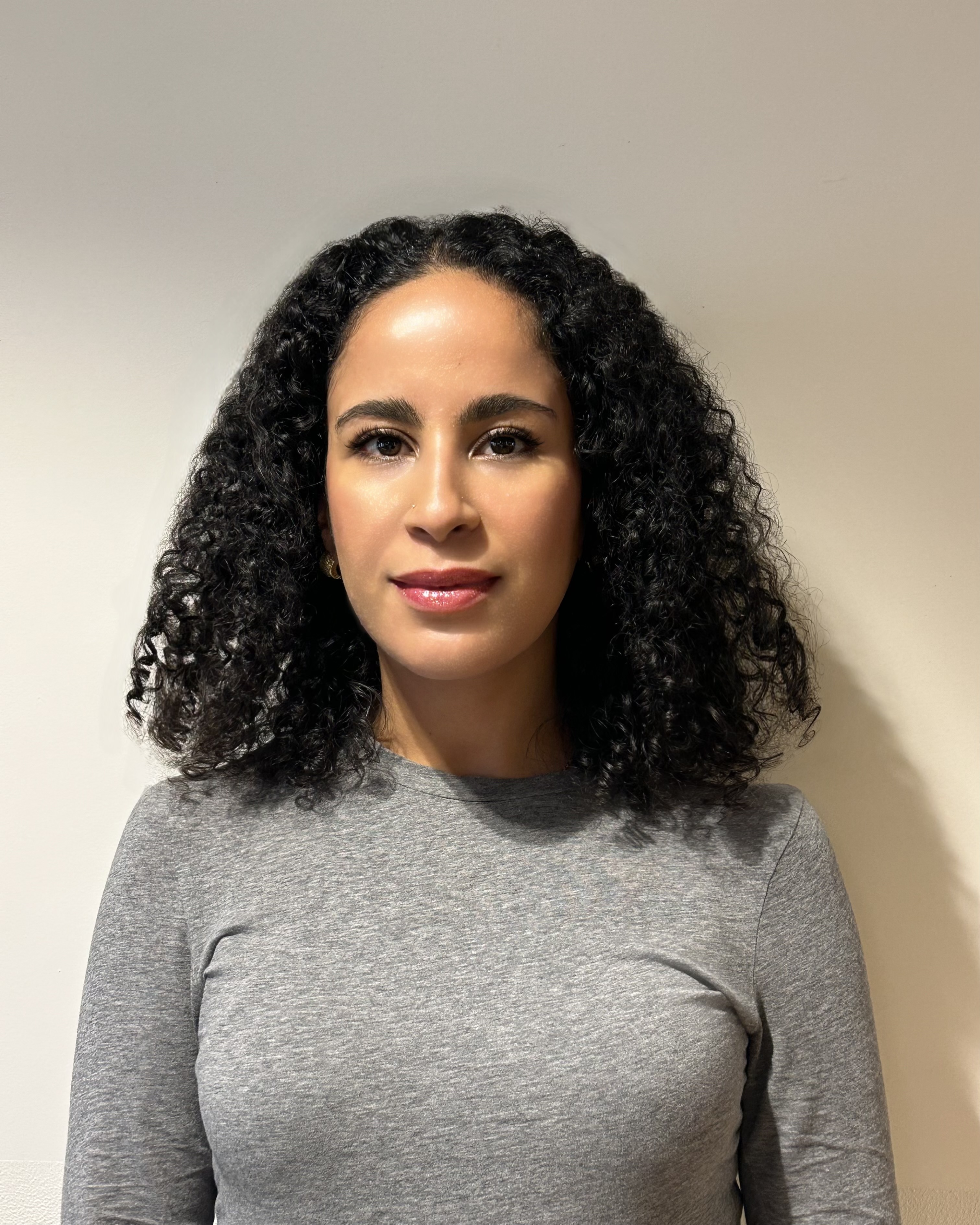
Dr Haleemah Alaydi is a Research Fellow on the Crisis of Migration Discourse: Towards a Participatory New Lexicon of Migration at the School of Media and Communication, University of Westminster. Her work examines how migration narratives, policy and public discourses construct migration through the lens of crisis, particularly in relation to people who use unauthorised routes to enter the EU and the UK. She collaborates with illegalised migrants as agents of change to co-create counter-narratives. Haleemah holds a PhD in English with Creative Writing from the University of York, where her practice-based research explored arts-based methods in migration research and the temporal dimensions of migration journeys from the Arab world. Her doctoral studies were fully funded by the Acton-Goodman Scholarship and the Department of English and Related Literature at the University of York. She also holds a master’s degree in Writing for Performance and Publication (Distinction) from the University of Leeds, which was fully funded by a Chevening Scholarship.
Drawing on 5 years of fieldwork with forced migrants, Haleemah has presented ethnographic findings on the impact of the criminalisation and border externalisation on forced migrants across the UK-France border. Her research focuses on racial justice, forced migration, refugee education, Channel crossings and the asylum system. Specifically, she is interested in the role of trauma-informed participatory approaches in the representations of refugee subjectivities. Haleemah has also worked as a policy and research consultant for several non-governmental organisations across the UK and Jordan. Her recent work on the experiences of forced migrants who have crossed the English Channel in small boats is published in the Channel Crossings research report (October 2025). She also published an article on involving refugees as peer researchers as part of her work on the Experiences of Displaced Young People Living in England: January to March 2023 project
Research Fellow
Daniel La Parra Casado's main role in the project is to provide methodological support throughout its various phases, including group design and conception, discourse analysis, and the translation of research findings into practical knowledge to inform intervention strategies. He is a Sociology Full Professor (Catedrático). Sociologist (undergraduate degree and PhD) and Master of Science in Epidemiology (London School of Hygiene & Tropical Medicine, University of London). Member as an expert at the Spanish State Council of Roma People, 2010-current. Guest Researcher Sociology Department, Umeå, Sweden, 2021-2022. Director of the World Health Organization Centre on Social Inclusion and Health, 2012-2020. Expert at the Spanish National Commission on the Social Determinants of Health, Ministry of Health, 2009. Current projects: “Disentangling Discrimination in Europe: Patterns, processes, and consequences of discrimination experiences among multiple targeted groups in a comparative perspective”. The Swedish Research Council (VR). VR 2023-06002, 2024-2027. Consolidated Research Group funded by the Council on Education, Culture, Universities and Employment of the Valencian Government. Project reference: CIAICO/2021/019, 2022-2024 and CIAICO/2024/204, 2025-2028, Project PIs: Daniel La Parra Casado and Carmen Vives Cases. Intersectionality: gender, socioeconomic position, origin and ethnicity (SALUDINTERSECT), Ministry of Science (1st September 2023/31st August 2027, project reference PID2022-141543OB-I00, project PI: Daniel La Parra Casado. 2nd WHO European Health Equity Status Report, SAGE group member, WHO consultant, 2024-current.
Research Fellow
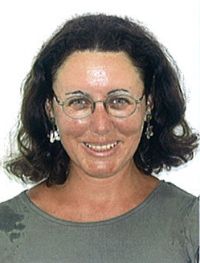
María Martínez Lirola is Professor at the Department of English Philology, University of Alicante, Spain and Research Fellow at the University of South Africa (UNISA). She has been visiting scholar and researcher at several Departments of Linguistics and Education (City University of New York, University of British Columbia, Macquarie University, etc).
She has led the research group Multimodal Critical Discourse Analysis since March 2010 and the technological research group (GITE) GITE-12010-UA: The Importance of ICT for Competency Acquisition since March 2012. In 2010, she received the Teaching Excellence Award from the Faculty of Philosophy and Arts, granted by the Generalitat Valenciana. Her main areas of research are Critical Discourse Analysis and Applied Linguistics. She has participated in several projects on multimodal discourse analysis, didactics and gender studies and she has presented papers in international congresses all over the world. She has published more than 100 articles and eight books. Among them, Main Processes of Thematization and Postponement in English (Peter Lang, 2009); Critical analysis of deshumanizing news photographs on immigrants: examples of the portrayal of non-citizenship (2022, Discourse & Society); Approaching the representation of Sub-Saharan immigrants in a sample from the Spanish press: deconstructing stereotypes (2014, Critical Discourse Studies).
Researcher
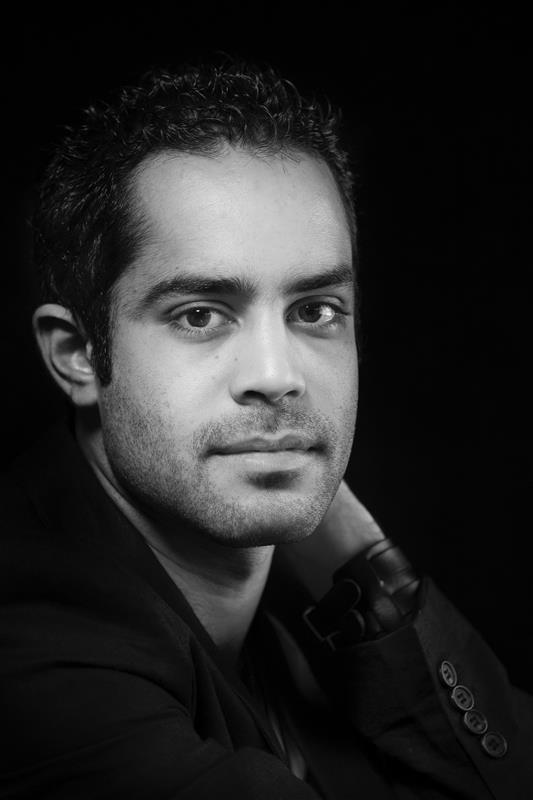
Mohamed Elsayeh is a researcher on the CMD project, working primarily on Module 2 with the French team. His PhD research examined the treatment of migrants’ remains recovered at European Union borders, focusing on Italy, Spain, and Greece. The study investigated the identification and management of remains, including burial practices, and emphasized the participation of families of the deceased and missing in forensic and identification processes.
Throughout his doctoral studies, he served as a Teaching Fellow on the Reims and Menton campuses of Sciences Po Paris (2023 2025) and coordinated the Migration and Diversity interdisciplinary collective at Sciences Po. In 2022, he was a Visiting Student at the European University Institute, Department of Law, in Florence. He also serves on the editorial board of the European Journal of Legal Studies.
Prior to his doctoral studies, Mohamed held various positions at intergovernmental and non governmental organizations. Notably, among other positions, he contributed to the EU funded Migrants in Countries in Crisis project while serving as a Research Associate at the Center for Migration and Refugee Studies, American University in Cairo. He has also gained solid experience in refugee status determination. His work on the CMD project leverages both his academic and practical expertise and his experience in coordinating research with multiple stakeholders. Mohamed has extensive experience in migration and human rights with intergovernmental and non-governmental organizations. He held, among others, research positions at the Center for Migration and Refugee Studies at the American University in Cairo. In addition, he has solid experience in refugee status determination, adding a practical dimension to his academic work.
He has served as Teaching Fellow at Sciences Po Paris (Reims and Menton campuses, 2023-2025), was a visiting researcher at the European University Institute in Florence, and is a Fellow of the French Collaborative Institute on Migration (CNRS). His combination of interdisciplinary research, applied field experience, and academic engagement enables him to contribute meaningfully to CMD’s participatory and transformative approach to migration discourse.
Postdoc Researcher Spain
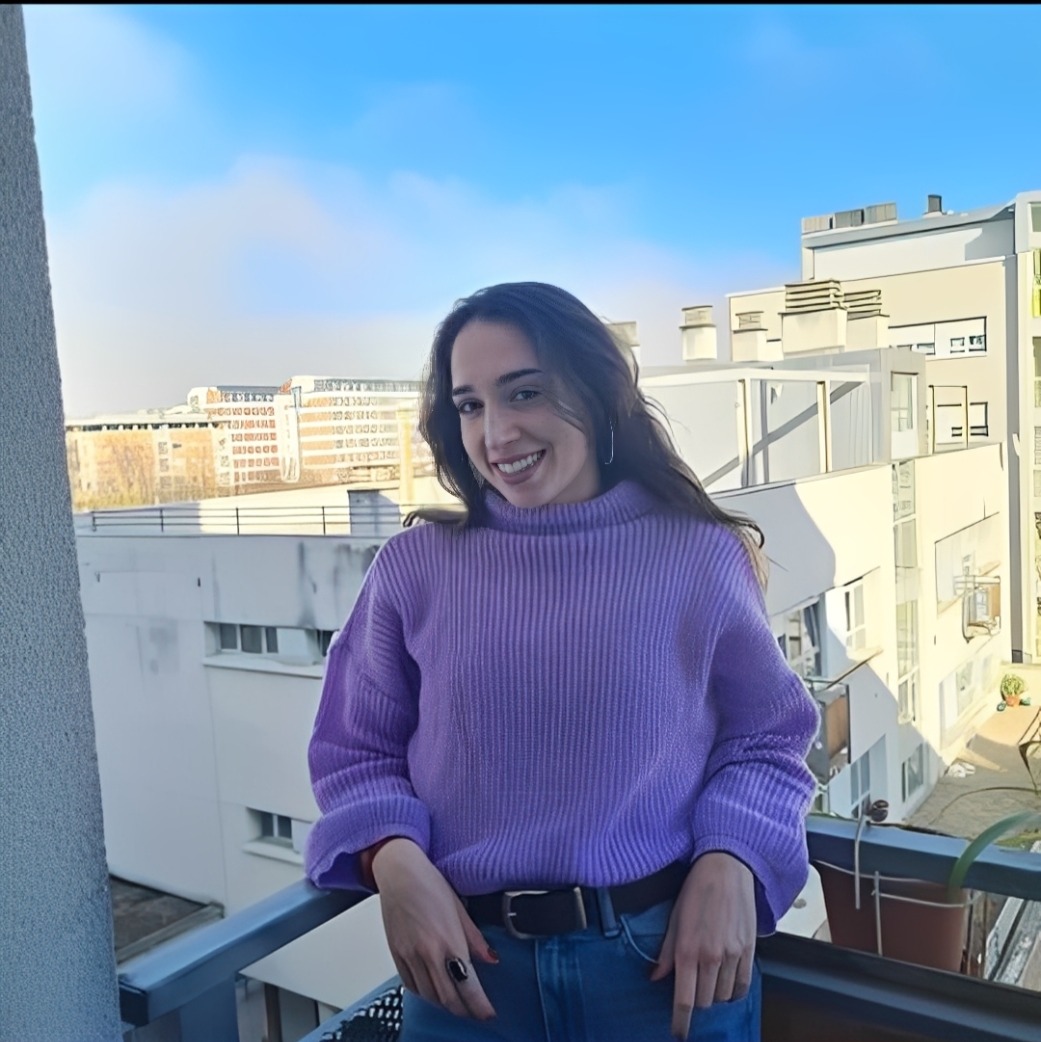
Dr Elisa Floristán Millán holds a degree in Social and Cultural Anthropology from the Autonomous University of Madrid (UAM). She completed a Master's Degree in Cultural and Critial Theory at Carlos III University (UC3M) and a Postgraduate on Mental Health in Contexts of Political Violence at the Community Action Group (GAC) and the Complutense University of Madrid (UCM). She has participated in the project ‘Borders, Democracy, and Global Justice’ at the CSIC Institute of Philosophy. After, she earned her PhD at the UAM with a thesis titled 'Melilla-Paris-Casablanca. Burning borders. An ethnography with harraga youth'. This work was developed as a multi-sited ethnography accompanying the migratory itineraries of young Moroccans from Casablanca to Paris. From an applied and public-oriented approach, she is interested in the processes of organisation and political participation of youth, in general, and migrant youth, specifically. Her qualitative research stands out for offering specific techniques that allow adaptation to fieldwork in violent and sensitive areas with high ethical demands. She has been awarded with a postdoctoral scholarship from the National Centres of Competence and Research (NCCR) at the Swiss Forum on Migration and Population at the University of Neuchâtel, is a lecturer at the Complutense University of Madrid and a researcher at the University of Alicante.
Collaborating Institutions